This issue was written and edited by Ben Gillbanks. Ben is a Web Developer with over 27 years experience of creating things online.
I am writing this whilst watching the closing ceremony of the 2026 Winter Olympics in Italy. I’m not into sport, but I found myself watching a surprising amount of it over the last couple of weeks. I think I prefer this to the regular Olympics. A lot of the events are about skill rather than strength or speed, which makes them more interesting to watch. The ice skating and snowboarding events in particular were really fun.
This last week was also half term, so I spent a very enjoyable week with my boy. A lot of that time was spent doing Pokémon-related things, including him competing in a Pokémon Cup.
We also spent last Friday searching for the new Pokémon cards in the shops. This was the first time we’d been able to go out on release day when the shops opened, and it was fascinating seeing all the scalpers queuing up and then running from shop to shop trying to buy as much as they could, whilst real Pokémon fans like us were left to pick up the scraps. Fortunately, we’ve learnt over the last year the best places to get cards and were able to get what we wanted, but it’s very frustrating seeing scalpers making this harder for those of us who just want to enjoy the hobby.
This Saturday just gone (the 21st of Feb) was also the 40th anniversary of The Legend of Zelda. My favourite game franchise ever. Long may it continue to bring me, and everyone else, joy.
Next week (the 27th of Feb) is Pokémon Day, where we’ll be celebrating the 30th anniversary of Pokémon. My son and I are both looking forward to seeing what they announce.
Nintendo are also celebrating 40 years since the release of Super Mario Bros. in Japan, which happened on the 13th of September 1985. The new movie out in April looks awesome.
Paper Apps
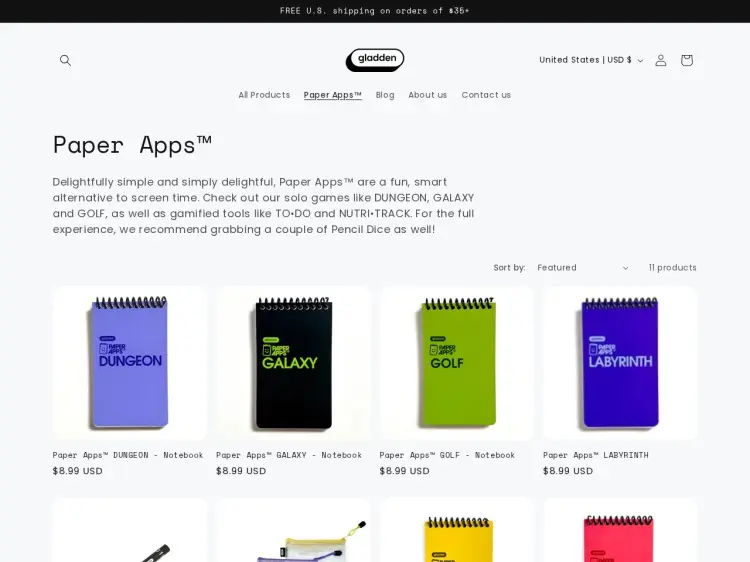
Gladden Design are a husband-and-wife team, Tom and Sarah Brinton, from the USA, who make paper-based games using programming techniques.
Tom has a background as a game developer, and he’s transferred that thinking into making physical products. I first became aware of their work when I saw their Paper Apps Dungeon game.
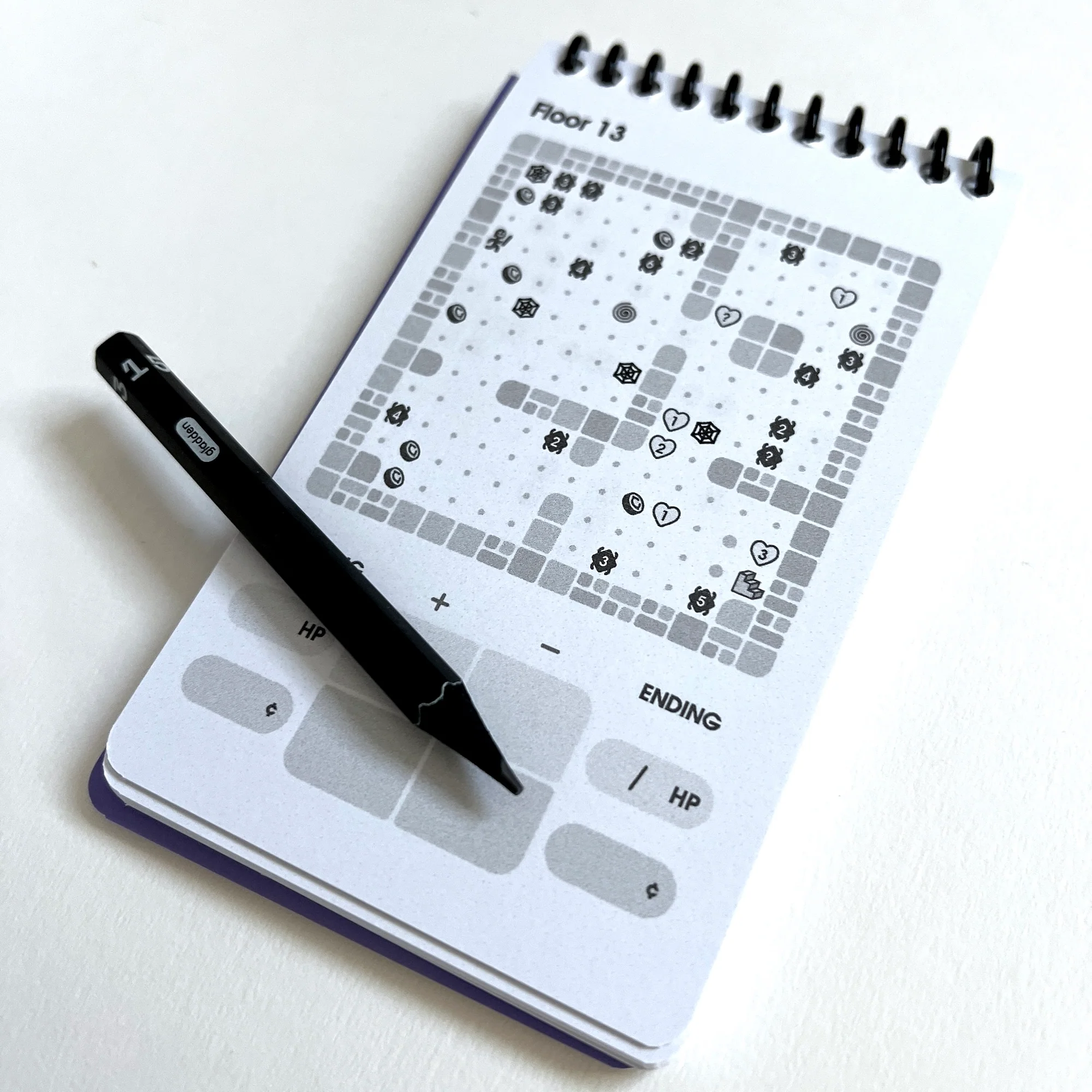
Paper Apps Dungeon is a role-playing game where you traverse a series of dungeons in a paper book. Each page of the book is a different room or level, and you have to get to the end. The first page is a character sheet where you fill out your stats and character details. Throughout the book there are shops where you can stock up on items.
All you need to play is a pencil and a die. They’ve also designed a special Pencil Dice, which is a pencil with six sides, each numbered, so you can roll the pencil to get a random number.
The extra special thing is that each book is unique. They use a procedural generation algorithm to create the dungeons, so every book has a totally different set of rooms.
The whole project is really well designed and fits in a pocket, so you can take it anywhere. I actually have a couple of their dungeon books and have played them with my son when we go on holiday. It’s simple and enjoyable, and it doesn’t use a screen, which makes for a nice change.
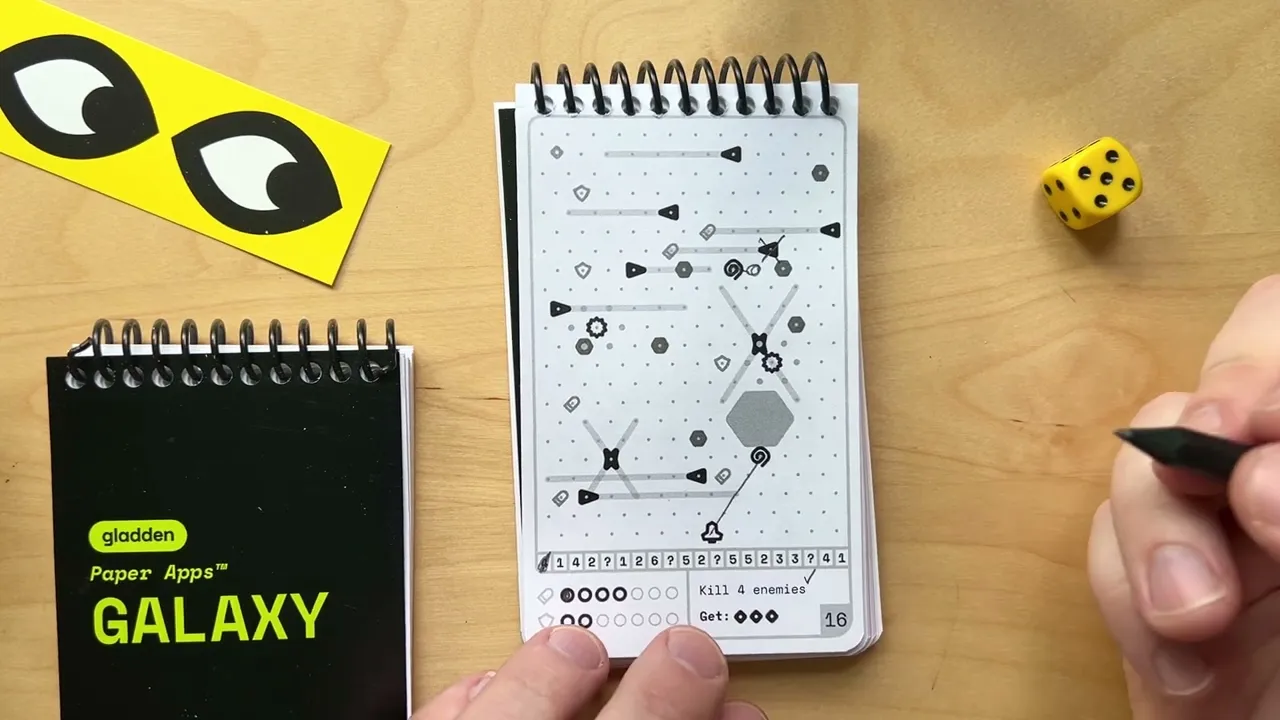
Since Paper Apps Dungeon, their first project, Gladden Design have released a growing collection of new Paper Apps that can all be played with a pencil and a die. These include space exploration, golf, and a first-person labyrinth.
In addition, they’ve released Golf XL, a two-player golf game, along with a double-ended pencil with multiple colours and a die in the middle.
Finally, they’ve released two regular Paper Apps: a to-do list app and a health tracker. All of the apps share the same paper format and are designed to be fun to use, while reducing reliance on screens. As a screen-based designer, I increasingly think this is important, and I really admire, and envy, what Tom and Sarah have created. I hope they continue to make more Paper Apps in the future.
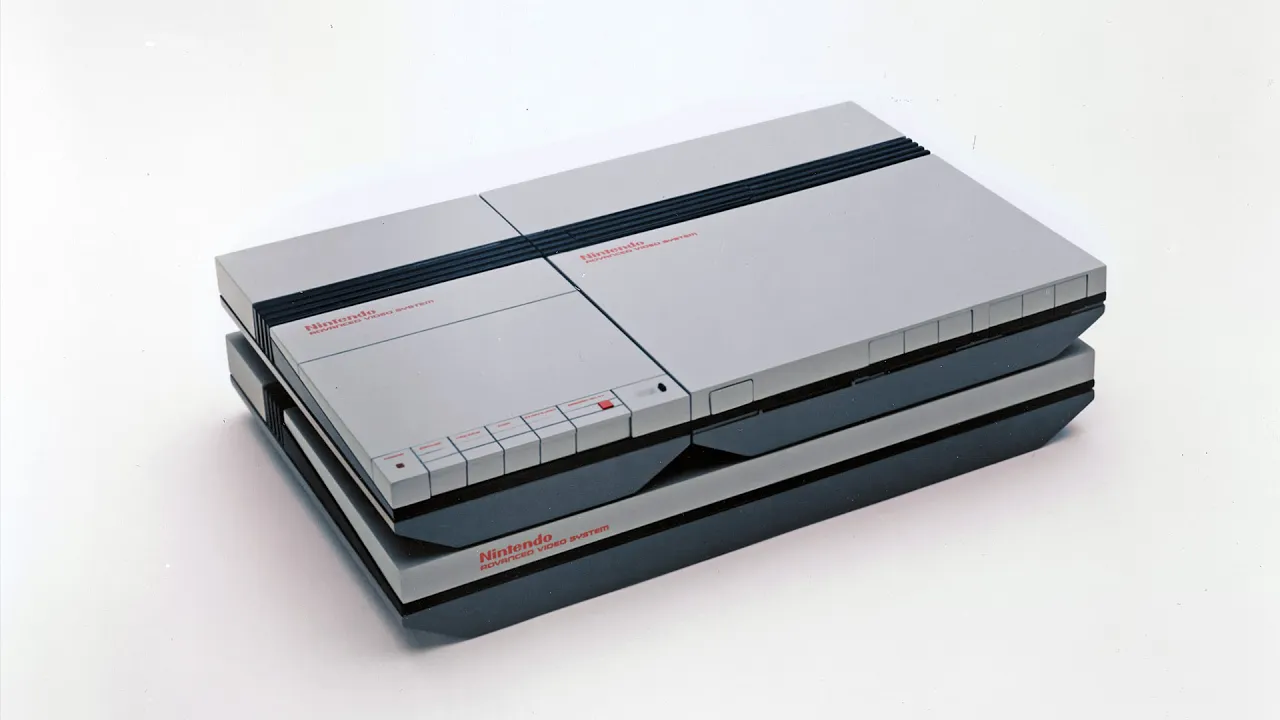
Since there are so many things to celebrate for Nintendo this year, I thought this video was a good one to share. The NES (or Famicom, as it was called in Japan) was my first console. I shared it with my brothers on a tiny TV in the living room, and it literally changed my life. If it wasn’t for videogames, my career would have been very different.
If you’re interested in Nintendo or the history of videogames, Keza MacDonald also has a new book out called Super Nintendo: How One Japanese Company Helped the World Have Fun, which looks at Nintendo and the people who made it what it is today. I haven’t read it yet, but it’s on my list.
I have, however, read Ask Iwata and Game Over, which are both excellent books about Nintendo and the people behind it. Game Over in particular tells the story of Tetris and the legal battles surrounding it. That story was later adapted into the film Tetris, which is also worth a watch.
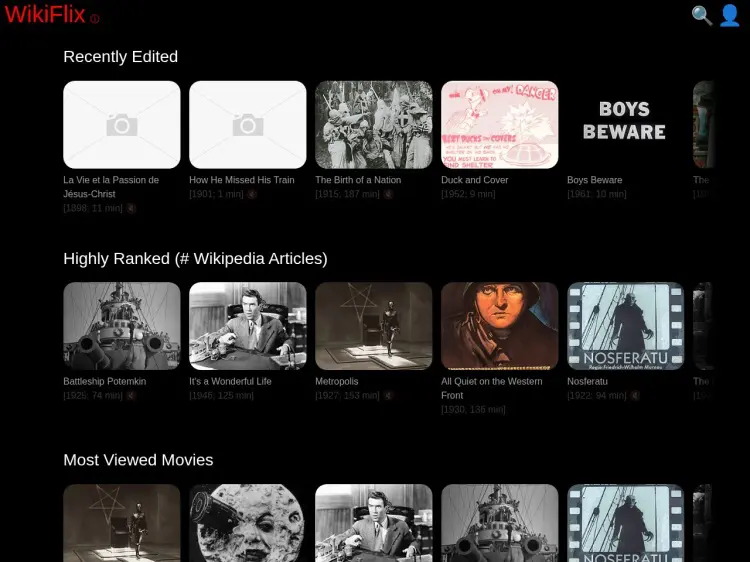
Wikiflix is a website that hosts archived movies and TV shows that are in the public domain. It’s a great resource for finding older films and shows you might not be able to watch anywhere else. The site is free to use and genuinely wonderful.
On the homepage alone there’s Metropolis, loads of Charlie Chaplin films, It’s a Wonderful Life, Steamboat Willie (the first Mickey Mouse cartoon), and many more classics. If you love film, this is a wonderful archive.
It also includes more modern content that has since been released into the public domain. You can browse movies grouped by year. For proper film history, it’s best to go right back to the beginning.
The earliest entry is from 1874, Passage de Vénus, which is actually a series of photographs of the transit of Venus across the Sun. They also have Pauvre Pierrot, one of the first animated films ever made, from 1892.
So much history. If you’re interested in Brush Ninja and how animation and moving images evolved, this is a fascinating place to explore.
Currently Reading
At the moment I’m reading The Book That Held Her Heart by Mark Lawrence. It’s the third book in the Library Trilogy, a complex fantasy series that begins in a world where all information is stored in a vast library. Later, time travel is introduced, and the story becomes increasingly intricate as it jumps between periods and explores the creation of entire species battling for control of the library.
There are some striking parallels with the real world, particularly around how people use knowledge and information. Early on, it’s mentioned that the king who controls the library uses facts from books to justify his actions, while also acknowledging that books exist to support almost any viewpoint, valid or not.
The third book opens with the head librarian travelling through time in search of something. I’ve only read a few chapters so far, but he’s currently in Nazi Germany, being helped by a young Jewish bookseller. Through this, the book explores the prejudices and attitudes of the time before the Second World War.
This isn’t the first of Mark Lawrence’s books I’ve read. My favourite series of his is probably the Book of the Ancestor trilogy, a fantasy series about a convent of nuns trained as assassins. It’s a genuinely interesting take on the genre, with some excellent characters.
The first series of his I read was the Impossible Times trilogy, a science-fiction story set in 80s and 90s South London, a time and place I know well, since it’s where I grew up.
All of these books deal with mature themes and complex ideas, but they’re also fun, with plenty of twists and momentum.
This is the last issue this year! I’m amazed that I’ve managed to consistently publish a newsletter every two weeks all year! Thank you for reading along and sticking with it. I really appreciate it.Rather than sharing apps or tutorials... •Read More →
Hey there,I just got back from a half-term holiday with my family, feeling refreshed and full of ideas. I brought my laptop along but only used it a couple of times for Brush Ninja customer support. Otherwise, I stayed away... •Read More →
Hey there,Hope you made the most of Star Wars Day yesterday! Just me? Never mind 😀 I built some Star Wars Lego with my boy and then we went out and bought some Pokemon cards because he’s not really into... •Read More →
Two weeks have flown by and it’s time for a new issue of Ninja Sparks. It feels a bit strange writing this considering everything happening in the world at the moment, but I want to maintain a small sense of... •Read More →
Welcome to the second issue of Ninja Sparks, your bi-weekly dose of creative inspiration, tools, and ideas!After a few days of working through my taxes—never fun or inspiring—I’m thrilled to have them finished for the year. To celebrate, I treated... •Read More →
Hey there, Happy Mario Day!Today is March 10th (Mar10), and for videogame geeks like me, it’s the perfect day to celebrate everyone’s favorite plumber. Super Mario Bros. on the NES was my first-ever console game, and I’ve played (and loved)... •Read More →
Join thousands of creators exploring, tinkering, and having fun
Don't miss out—subscribe to Ninja Sparks today!
By entering my email, I agree to receive the Ninja Sparks newsletter.
🍪 This website uses cookies. By using our website you agree to our Privacy Policy.